
Cosmetic dentistry
Cosmetic dentistry changes how your teeth and gums look: their shape, length, color or the gaps between them. The quickest options are bonding, where tooth-colored resin is shaped onto the tooth, and contouring, where a little enamel is smoothed away.
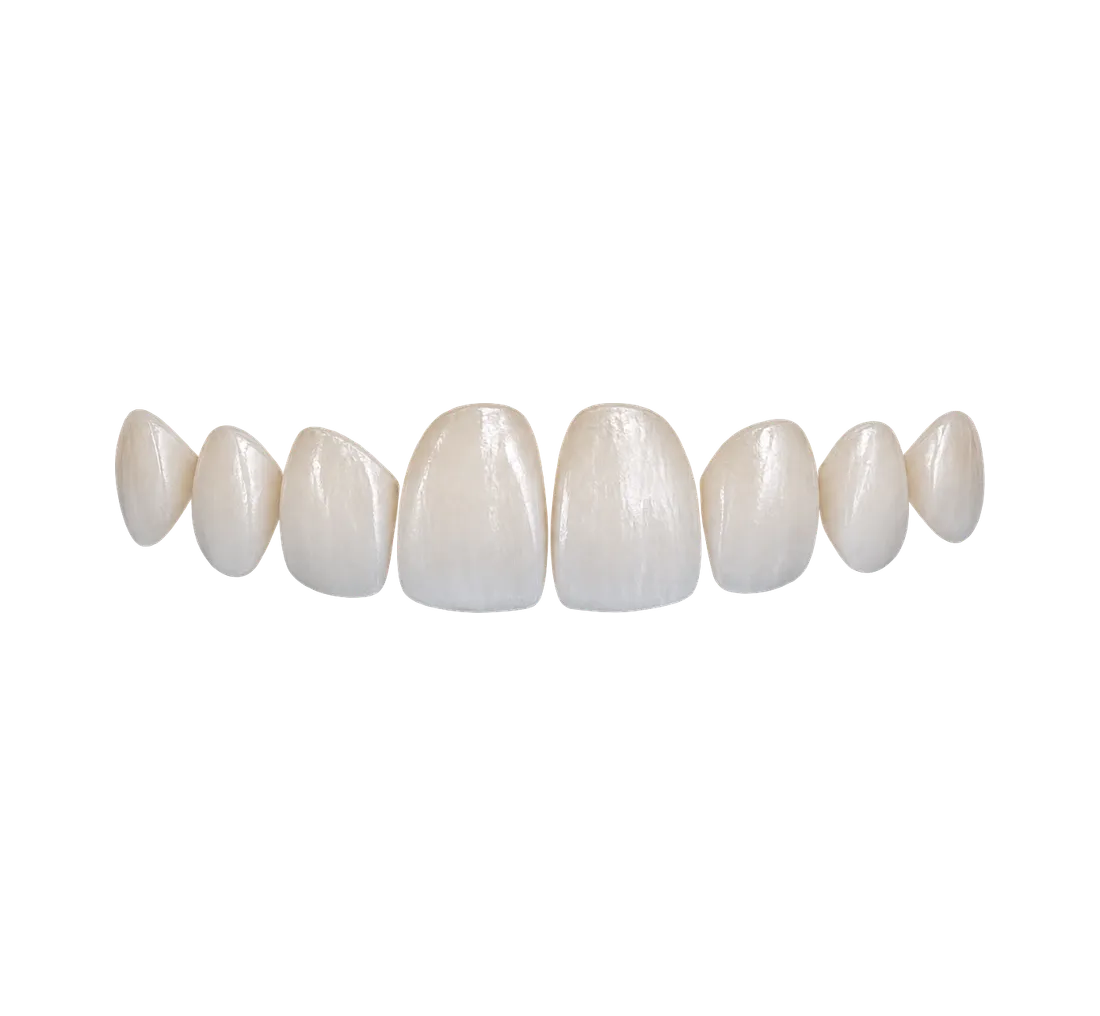
What cosmetic dentistry is
Common treatments are teeth whitening, bonding, veneers, tooth contouring and gum contouring (Cleveland Clinic). A "smile makeover" is a plan that combines several of these.
Whitening and veneers have their own guides. Straightening with clear aligners or braces can also change how a smile looks.
Who it suits
Cosmetic treatment is elective: you do not need it to keep your teeth healthy (Cleveland Clinic). Teeth and gums should be healthy first. Cavities and gum disease need treatment before contouring (Cleveland Clinic) or bonding (Cleveland Clinic).
The main treatments
Bonding
Bonding uses tooth-colored resin to cover chips or small cracks, close gaps, hide stains or change a tooth's shape (Cleveland Clinic).
- The dentist picks a resin shade that matches your teeth.
- The tooth surface is roughened and coated with a liquid that helps the resin stick.
- The resin is shaped on the tooth, hardened with a special light and polished.
It usually takes one visit, about 30 to 60 minutes per tooth. Bonding usually needs no enamel removed and can be undone (Cleveland Clinic).
Tooth contouring
Contouring removes a small amount of enamel to smooth chips and rough edges, or to change a tooth's length or shape. It usually takes about 30 minutes, and you probably will not need numbing, because enamel has no nerves (Cleveland Clinic).
Gum contouring
Gum contouring removes gum tissue to change the gum line, for example for a "gummy smile" or an uneven gum line. It is usually done by a periodontist, with a scalpel or a laser, under local anesthetic. It takes one to two hours on average (Cleveland Clinic). Most people heal within a week and go back to work after a day or two (Cleveland Clinic).
Combined plans
If a plan combines several treatments, ask for the order of each step in writing, and whether you can see a preview of the result before any tooth is changed.
Aftercare
- After bonding, brush twice a day and floss daily. Do not bite nails, chew pens or open packages with your teeth. Cut down on coffee, tea and red wine (Cleveland Clinic).
- After gum contouring, eat soft foods and avoid hard, crunchy or spicy foods for about a week. Skip exercise for the first five days (Cleveland Clinic).
- Keep regular checkups so your dentist can check the work over time.
Risks and side effects
- Bonding stains more easily than porcelain and can chip. It does not last as long as veneers or crowns, typically 3 to 10 years before a touch-up or replacement (Cleveland Clinic).
- Contouring cannot be undone, because enamel does not grow back. Removing too much can weaken the tooth and cause cracks, decay or lasting sensitivity. Sensitivity for a few days is common (Cleveland Clinic). Never file your own teeth.
- Gum contouring side effects are rare. They can include infection and the gum growing back (Cleveland Clinic). Call your dentist for severe pain, bleeding that will not stop, a high fever or pus.
- Some treatments cannot be undone, such as porcelain veneers, which need enamel removed (ADA). Only a licensed dentist should place veneers (ADA).
What affects the cost
- Which treatments you choose, and how many teeth are involved.
- Materials and any lab fees.
- Previews, mock-ups or temporary work.
- Treatment you need first, such as fillings or gum care.
- Touch-ups and replacement over the years.
Dental insurance usually does not cover cosmetic treatment (Cleveland Clinic). IRS Publication 502 generally excludes procedures done only to improve appearance (IRS), which can affect whether HSA or FSA money can be used. Check with your plan. Ask for a written estimate that lists each tooth and each procedure, with its CDT code (ADA).
Questions to ask your dentist
- Which option changes my teeth the least and still gets the look I want?
- Will any enamel be removed? Can this be undone?
- Can I see a preview before you start?
- How long is this likely to last, and what will upkeep involve?
- What happens if it chips, stains or does not look right, and who pays?
- How often do you do this treatment?
General information only. This guide is not medical, tax or financial advice and does not replace an exam by a licensed dentist. Results vary.