
Veneers
Veneers are thin shells bonded to the front of teeth to change their color, shape or size. Porcelain veneers are made in a lab and need some enamel removed, which can't be undone. Composite veneers are shaped onto the tooth in the chair.
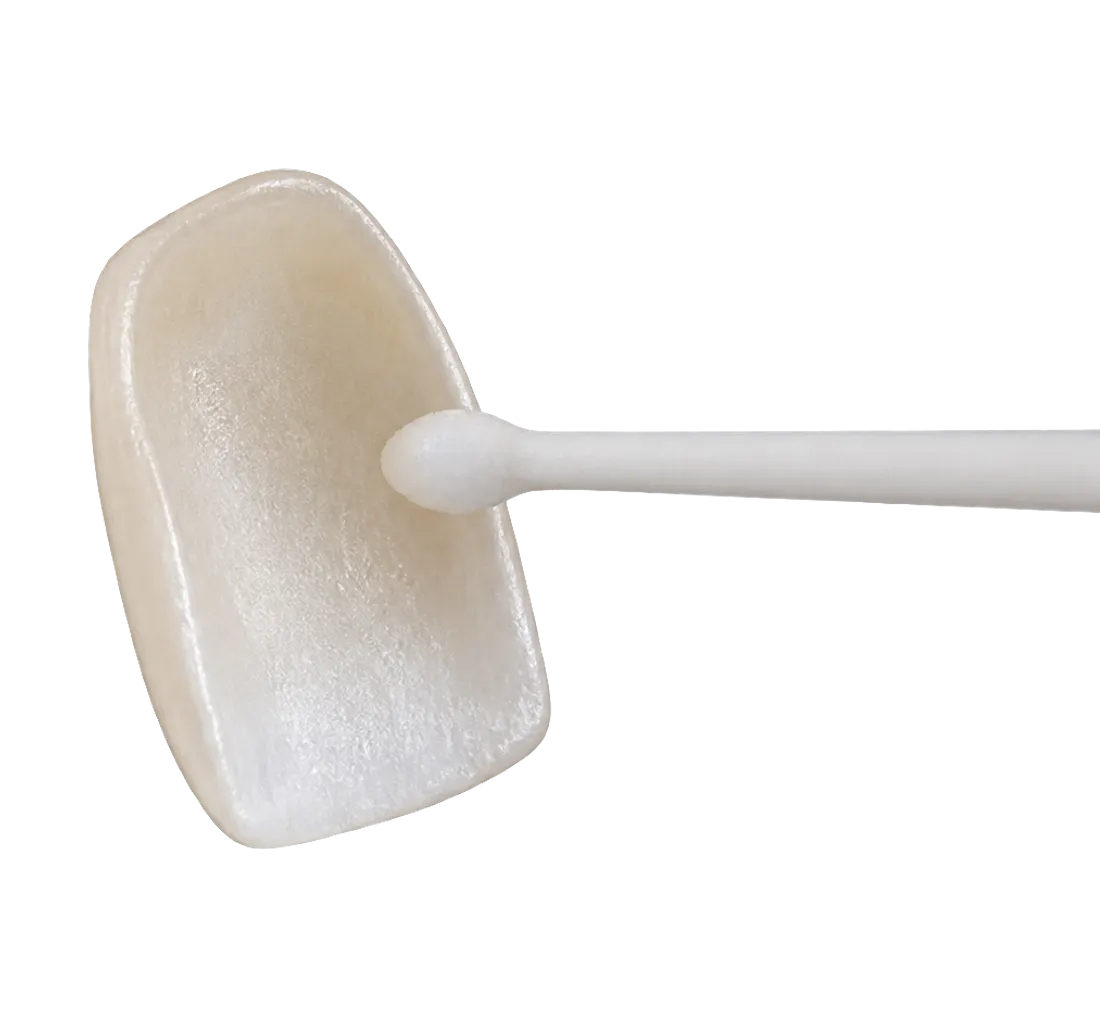
What veneers are
A crown covers the whole tooth. A veneer covers only the front (ADA). There are two main types.
Who they suit
Veneers can improve the look of teeth that are chipped, stained or slightly crooked, and they can close small gaps (ADA).
- Decay and gum disease need treatment first (ADA).
- Grinding or clenching your teeth, or a deep overbite, can make veneers a poor choice (ADA).
- Other options may do the job with less change to your teeth. Ask about whitening, bonding or straightening.
What happens
- Exam and plan. The dentist checks your teeth and gums and talks through how you want them to look.
- Preparing the teeth. For porcelain veneers, the dentist removes a small amount of enamel (ADA).
- Impression or scan. The dentist takes an impression or a 3D scan, and a lab makes the veneers. You come back once they are ready (ADA).
- Fitting. The dentist checks the fit and color, then bonds each veneer to the tooth (ADA).
Composite veneers can often be done in the chair. The dentist prepares the tooth, shapes the resin on it, hardens it with a special light and polishes it (ADA).
Only a licensed dentist should place veneers. The ADA warns that unlicensed "veneer technicians" can cause infection and nerve damage (ADA).
Aftercare
Risks and how long they last
Porcelain veneers are not reversible, because enamel is removed (ADA). If a veneer is removed later, the tooth will need another covering.
Veneers can chip, crack, wear or come loose, and may need repair or replacement (ADA). The figures below come from systematic reviews. They describe groups of patients, not what will happen to you.
- Porcelain. A 2025 review estimated that about 94% to 97% of porcelain veneers were still in place after about 10 years, depending on the material. Problems such as chips were common with some types: about 41% of feldspathic porcelain veneers had a technical problem by then, compared with about 6% of lithium disilicate veneers (Klein 2025).
- Composite. A 2023 review of randomized trials estimated that 88% of composite veneers were still in place after two to eight years. The most common problems were a rough surface, a color mismatch and staining at the edges (Lim 2023).
What affects the cost
- How many teeth are treated.
- Porcelain or composite, and which porcelain.
- Lab fees, and any preview or temporary veneers.
- Treatment you need first, such as fillings or gum care.
- Repairs and replacement over the years.
Veneers are usually treated as cosmetic, so dental insurance may not cover them unless they are medically necessary (ADA). IRS Publication 502 generally excludes procedures done only to improve appearance (IRS), which can affect whether HSA or FSA money can be used. Check with your plan.
Ask for a written estimate that lists each tooth, the material and the lab fee, with the CDT code for each line (ADA).
Questions to ask your dentist
- Are veneers the right option for me, or could whitening, bonding or straightening work?
- How much enamel will you remove from each tooth?
- Porcelain or composite, and why?
- How many teeth do I need, and why that number?
- Can I see a preview of the result before you prepare my teeth?
- What happens if a veneer chips or comes off, and who pays?
- How often do you place veneers?
General information only. This guide is not medical, tax or financial advice and does not replace an exam by a licensed dentist. Results vary.