
Teeth whitening
Whitening lightens natural teeth. It works on many stains from food, drinks and smoking, but fillings, crowns, veneers and implant crowns keep their color. You can have it done at the dentist, use trays from your dentist at home, or buy a kit at the store.
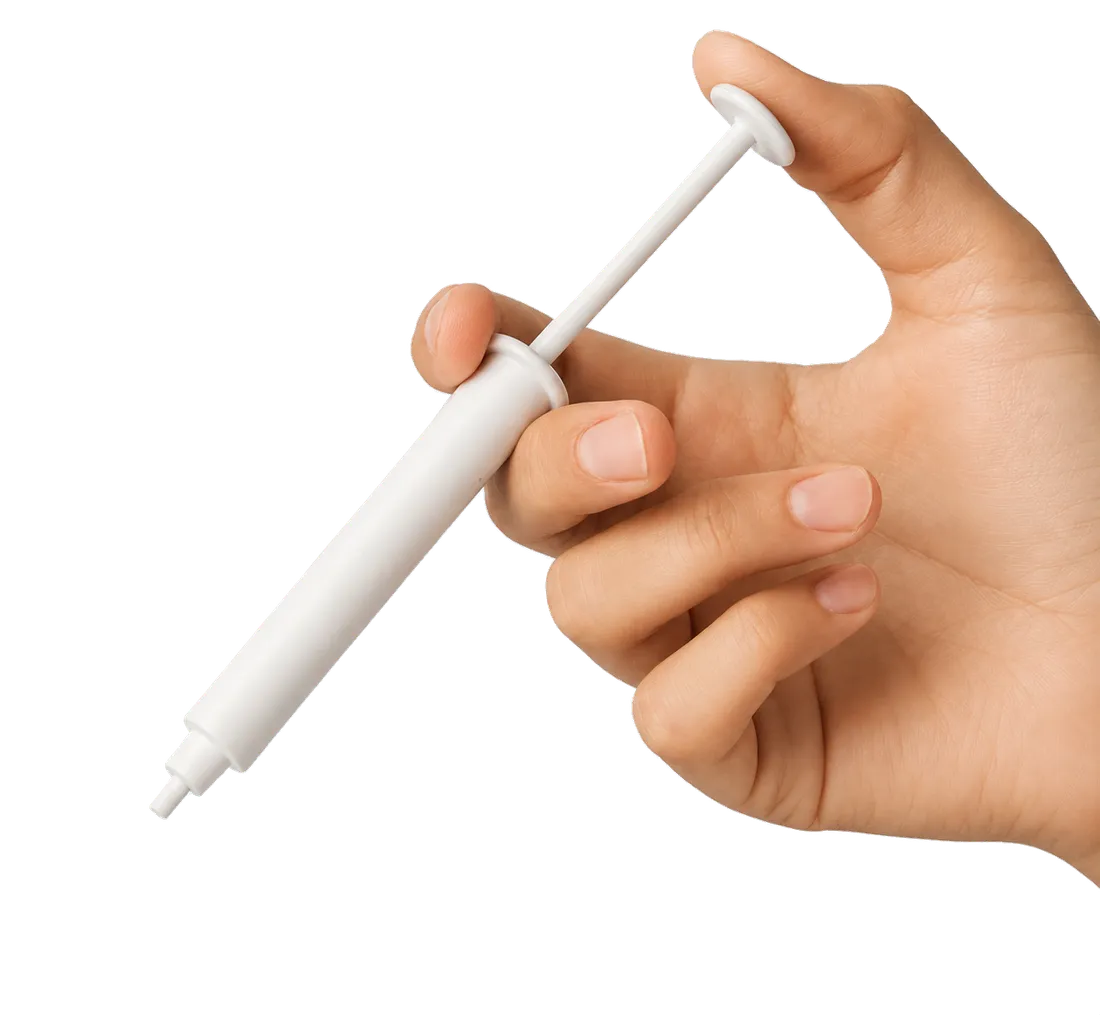
What whitening is
Most whitening products use a peroxide gel. The two common ingredients are hydrogen peroxide and carbamide peroxide, which releases hydrogen peroxide (ADA). There are three main ways to whiten.
- In the dental office. The dentist applies a peroxide gel to your teeth, sometimes with a light (ADA).
- At home with trays from your dentist. The dentist makes trays that fit your teeth, and you fill them with gel at home (ADA).
- Store-bought products. Strips, gels and toothpastes. These generally contain less peroxide (ADA).
Who it suits
Whitening works on some stains better than others.
- Surface stains build up on the enamel. Common causes are tobacco and some foods and drinks (ADA).
- Stains inside the tooth can come from genetics, aging, too much fluoride while teeth were forming, or the antibiotic tetracycline. Deep stains in the inner layer of the tooth are very hard to remove from the outside (ADA).
- Fillings, crowns, veneers and implant crowns do not whiten. Only natural teeth change color, so whitened teeth may no longer match your dental work (ADA).
If whitening is unlikely to help, ask about bonding or veneers.
What happens
- Exam. The dentist checks for decay and gum problems, looks at what is causing the stains and records your current shade.
- In-office whitening. The dentist protects your gums, applies the gel and may repeat the application. Treatment takes place over one or more visits.
- Take-home whitening. The dentist takes an impression or scan for custom trays. You wear the gel in the trays for the time and number of days your dentist sets (ADA).
- Review. The dentist compares the new shade with the old one.
Aftercare
- Follow the product or dentist's directions exactly. Do not use more gel, or use it for longer, than directed.
- The habits that caused surface stains, such as tobacco, coffee and tea, can bring them back.
- Tell your dentist if sensitivity bothers you. They can change the schedule or the product.
- Keep regular cleanings, which remove surface stains.
Side effects and risks
- Tooth sensitivity is the most common side effect. Mild to moderate sensitivity can affect up to two-thirds of people early in treatment. It is usually temporary. With strips or trays it may start within two to three days and usually eases by day four (ADA).
- Gum irritation can happen when the gel touches the gums, often because a tray fits poorly. It is usually temporary (ADA).
- Uneven color where teeth sit next to fillings or crowns (ADA).
Store-bought products with the ADA Seal of Acceptance have met the ADA's requirements for safety and effectiveness when used as directed. Products supplied only by dentists are not eligible for the Seal (ADA).
What affects the cost
- In-office, take-home trays or a store-bought product.
- The number of in-office sessions.
- Custom trays, and refills of gel.
- An exam and cleaning before you start.
- Replacing old fillings or crowns afterwards so they match.
Ask your dental plan whether it covers whitening. IRS Publication 502 says amounts paid to whiten teeth are not medical expenses (IRS), which affects whether HSA or FSA money can be used. Ask for a written estimate with each item and its CDT code (ADA).
Questions to ask your dentist
- What is causing my discoloration?
- Is whitening likely to help with my kind of stains?
- Which option suits me: in-office, take-home or store-bought?
- Will my fillings or crowns still match afterwards?
- What should I do if my teeth become sensitive?
- How long is the result likely to last for me, and what would a touch-up involve?
General information only. This guide is not medical, tax or financial advice and does not replace an exam by a licensed dentist. Results vary.